


More New Samples In Our Showroom!!!
Labels: New Samples, Wedding Gowns

A fishtail cutting gown with "curve down" strapless neckline. It has a Duschess Satin as its inner layer and a layer of beautifully arranged Corded laces as the outer layer. Ribbon around the waist will make the waist of the wearer looked more defined. If you are to customake this gown. you can change the color of the ribbon to the color of your choice. This is one timeless piece of elegant and gorgeous gown that won't go out of date.


Happy Labour Day
Labels: Announcement Dear customers,
Our showroom will be close on the 1st of May 2009 for Labor Day.
We will continue to open our showroom as usual on the next day.
Happy Labor Day and enjoy your long weekend!
STOCK CLEARANCE SALES!!!!!!
Labels: Announcement, Promotions, Sales, Wedding GownsWe are a company which do MTM (Made to measure) wedding gowns, evening gowns, prom dress, bridesmaid dresses and also flower girls dresses. As we are getting more new samples for our showroom, we would like to clear off our old samples. All the following gowns here are RM500-00 only!! (First alteration will be done for FREE!!!)

Small A-line skirt with fitted hips. Full silver border laces at the bodice with organza skirt. (Ivory Color)

Off shoulder mermaid cutting wedding gown. Border laces and Organza on top of Duchess Satin. (White Color)

Duchess Satin mermaid cutting wedding gown with beautifully beaded bodice. (Ivory Color)

Fitting wedding gown with fitted hips and organza bottom. (Ivory color)

Off shoulder Duchess Satin gown with mermaid cutting.
You are welcome to visit our showroom to try on these gowns anytime during our office hours.
Showroom Address: No.145A, 1st Floor, Jalan SS2/24, Petaling Jaya. (Same row with SS2's RHB Bank)
Tel No: 03-7877 1763
Business Hours: Tuesday-Sunday : 10.00am till 7.30pm
For more enquiries, please leave us a comment or e-mail me at jacky@neoweddinggown.com. ;)
Small A-line skirt with fitted hips. Full silver border laces at the bodice with organza skirt. (Ivory Color)
Off shoulder mermaid cutting wedding gown. Border laces and Organza on top of Duchess Satin. (White Color)
Duchess Satin mermaid cutting wedding gown with beautifully beaded bodice. (Ivory Color)
Fitting wedding gown with fitted hips and organza bottom. (Ivory color)
Off shoulder Duchess Satin gown with mermaid cutting.
You are welcome to visit our showroom to try on these gowns anytime during our office hours.
Showroom Address: No.145A, 1st Floor, Jalan SS2/24, Petaling Jaya. (Same row with SS2's RHB Bank)
Tel No: 03-7877 1763
Business Hours: Tuesday-Sunday : 10.00am till 7.30pm
For more enquiries, please leave us a comment or e-mail me at jacky@neoweddinggown.com. ;)
More New Samples!!!!
Labels: New Samples, Wedding Gowns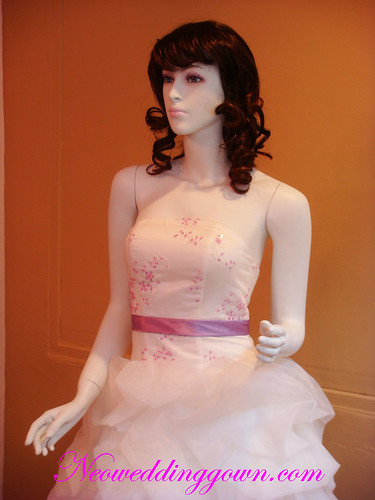
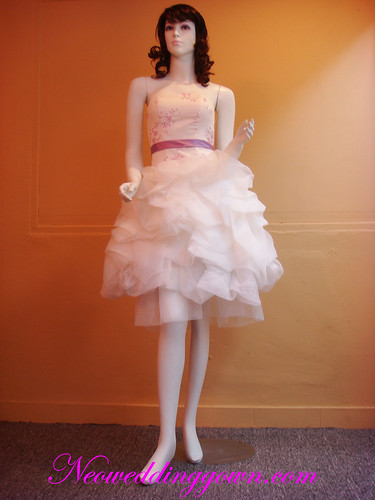 Short and cute wedding gown with organza fungus like skirt with laces, sequiens and beadings at the bodice. If you are someone who likes everything colorful and cute, this gown is perfect for you,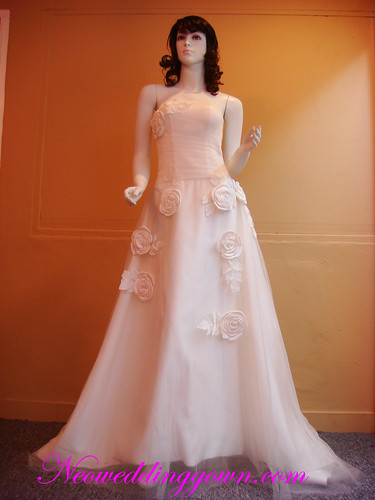
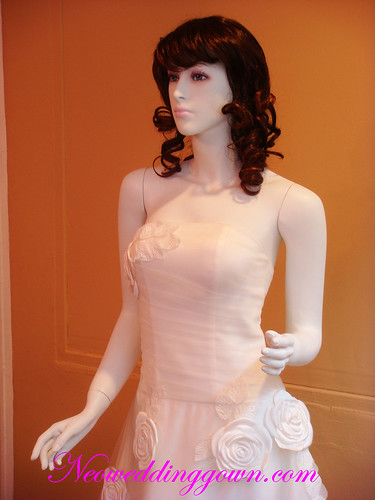 A line Duchess satin wedding gown with tulle as the outer layer. It had a pleated bodice and romantic handmade roses scattered around the dress. Perfect for someone who is looking for romantic looking gowns. It's suitable for garden wedding too.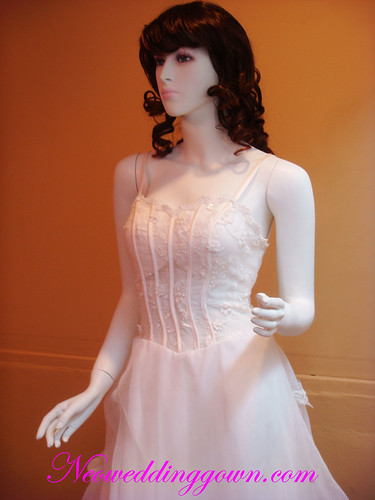
 Pick up skirt with a transparent bodice. This gown is very unique with it's beautiful lace at the inner layer serves ad the long train. You can even wear a hoop/can can with this gown to look like you are wearing a ballgown.
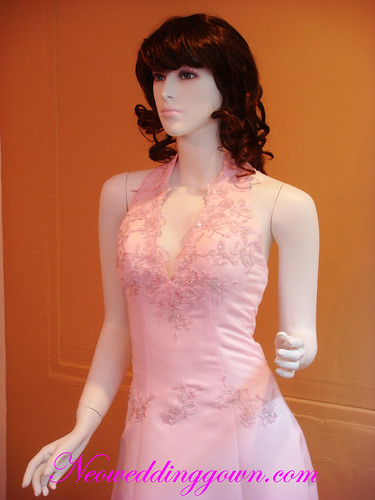 Halter neck small A-line gown with laces around the neckline and waist. This gown is suitable for brides who love something simpler but yet beautiful and elegant.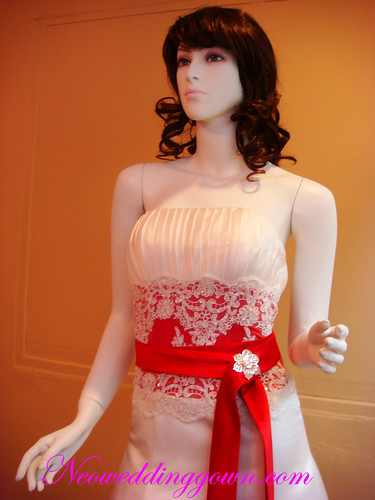
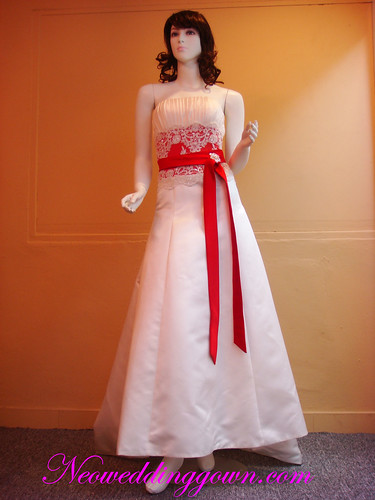 A-line Duchess satin gown with neatly pleated bodice. Bordered laces on the waist with a red color portion to make your waist look smaller. It comes with a detachable ong ribbon and a silver brooch.
New Samples In Our Showroom!!!
Labels: New Samples, Wedding Gowns A -line duchess satin spaghetti strap wedding gown with bordered laces at the bodice and hand sewn organza patterns at the skirt.
 Small A-line duchess satin wedding gown with bordered laces on the top layer. It has a sweetheart neckline with pleated bodice.
 Bouncy taffeta wedding gown with side pleats at the waist. The skirt has multiple layers of taffeta and also a pick-up skirt style atthe side of the gown.
Do visit our showroom to try on these beautiful gowns!!!

Announcement
Labels: AnnouncementDear all,
We will not be opening on Sunday in the month of December 2008 and January 2009.
So our new business hours will be:
Tuesday - Saturday = 10.00 a.m till 7.30 p.m
(closed on Sunday & Monday)
(closed on Sunday & Monday)
Thank you
How To Choose A Wedding Gown Design
Labels: Advice, Tips, Wedding Gowns
In choosing a design, there are 6 things you should keep your eye on:
Color: The color you select will depend upon your own coloring; dark-skinned brunettes look good in ivory or beige, and fair-skinned blondes may find they look better in a white pastel or pure white gown.
Length: The type of wedding you're having will affect your gown's length. Full-length gowns are fitting for formal weddings. At informal weddings, which are typically small in size and fanfare (and common for second, third, and fourth+ marriages), the bride can wear a knee-length skirt. The skirt should cover the knees and drape at least one inch below the top of the kneecap. Ankle-length is acceptable too, and it can be very classy, sexy, fashionable and romantic.
Silhouette: The "silhouette" refers to the shape of the gown and how it hugs your body. Popular styles include the Princess and A-line, ball gown (i.e., the Cinderella look), sheaths, a mermaid shape, an empire silhouette, or a two-piece.
Train: We suggest that if you want the long train, that it be detachable so that it won't get stepped on, torn, or otherwise ruined during the reception.
Mood: The mood of your dress can be Romantic, Modern, Traditional, or Classic.
Size: As with any other wardrobe selection, when it comes to picking a wedding dress, size does matter. For brides petite and large, the size of a bridal gown is ordered based on measurements of bust, waist, hips and height. Check this chart out to get an idea.
Color: The color you select will depend upon your own coloring; dark-skinned brunettes look good in ivory or beige, and fair-skinned blondes may find they look better in a white pastel or pure white gown.
Length: The type of wedding you're having will affect your gown's length. Full-length gowns are fitting for formal weddings. At informal weddings, which are typically small in size and fanfare (and common for second, third, and fourth+ marriages), the bride can wear a knee-length skirt. The skirt should cover the knees and drape at least one inch below the top of the kneecap. Ankle-length is acceptable too, and it can be very classy, sexy, fashionable and romantic.
Silhouette: The "silhouette" refers to the shape of the gown and how it hugs your body. Popular styles include the Princess and A-line, ball gown (i.e., the Cinderella look), sheaths, a mermaid shape, an empire silhouette, or a two-piece.
Train: We suggest that if you want the long train, that it be detachable so that it won't get stepped on, torn, or otherwise ruined during the reception.
Mood: The mood of your dress can be Romantic, Modern, Traditional, or Classic.
Size: As with any other wardrobe selection, when it comes to picking a wedding dress, size does matter. For brides petite and large, the size of a bridal gown is ordered based on measurements of bust, waist, hips and height. Check this chart out to get an idea.
Wedding Gowns Sleeves
Labels: Tips, Wedding Gowns
Whether you want to show off your totally buff arms or hide a figure flaw, pay careful attention to the sleeves on your gown.
Cap - very short sleeves; only covering the shoulders, sometimes seen on off-the-shoulder gowns.
Fitted - a tight sleeve cut very close to the arm, best for those with thin arms.
Juliet - Renaissance look, tightly fitted with a small pouf at the shoulder.
Leg o' Mutton - the Dynasty look, very full at the shoulder, very fitted at the forearm.
Tulip - a cap sleeve made of overlapping fabric that curves into a petal shape.
Poet - a fitted long sleeve with an outward flare just above the wrists, very lyrical.
Cap - very short sleeves; only covering the shoulders, sometimes seen on off-the-shoulder gowns.
Fitted - a tight sleeve cut very close to the arm, best for those with thin arms.
Juliet - Renaissance look, tightly fitted with a small pouf at the shoulder.
Leg o' Mutton - the Dynasty look, very full at the shoulder, very fitted at the forearm.
Tulip - a cap sleeve made of overlapping fabric that curves into a petal shape.
Poet - a fitted long sleeve with an outward flare just above the wrists, very lyrical.
Ceremony Of Shoes
Labels: History, Shoes
The idea of luck is the principal thought associated with shoes during marriage custom. Sharper Knowlson (1998) considered shoe customs were in existence from the time of the Egyptians but not confined to any one race. The privalence of new shoes in wedding folk lore would also suggest a passage rite.
For most the connection between footwear, luck and marriage still continues. An old custom was to throw a shoe at weddings for luck and this continues today, in several forms. Many wedding cakes are decorated with miniature charms, including silver shoes.
These may relate to Biblical times, when removing the shoe denoted the confirmation of a contract for redemption or change of ownership. An example of this is given in the laws and ordinances within the book of Deuteronomy.
A common practice was for a widow to marry her husband's surviving brother. In the event of him refusing to do so, she was directed to "come unto him in the presence of the elders, and loose his shoe from off his foot." This action was accepted as the widow's assertion of independence as well as declaring her brother-in law's failure to comply with the law.
In a similar manner the Middle Ages custom found throughout Europe was for the bride's father to give an old boot or shoe from his daughter's left foot to the bridegroom on their marriage. This was thought to indicate the passing of responsibility for her well being.
In Medieval France the groom would sit with his shoe over his brides foot alternatively other custom variation was for the groom to tap the bride on the head with her shoe to show, he was master.
Another custom found across the world relates to removing shoes or giving shoes during the ceremony. The ancient Inca Indians of Peru had a custom where the couple were only considered officially wed, when they took off their sandals and handed them to each other. The significance of taking your shoes off may relate to submission to another's will.
When the Emperor Vladimir proposed marriage to the daughter of Reginald, she refused him with the words "I will not take off my shoe to the son of a slave". Removing the shoe may refer in this context to sexual intercourse.
In Finland, traditionally the whole family accompanied the married couple to the bridal suite. The mother would not let the groom go to his bride until he had given her a pair of shoes. In some countries the wedding shoe was placed at the head of the bed on the husbands side to symbolise his sexual possession and to encourage fertility.
Another variant came from Wales where the bride and groom were presented with a pair of shoes joined together by a chain all cut from a single block of wood. Originally one little cavity contained a lump of sugar and the other coal to ensure the couple might never lack sustenance and warmth. Even today boot shaped confetti is ceremoniously thrown over the happy couple.
In ancient times sandals were often ornamented with horns, crescents and other representations of the moon. The casting of shoes at marriage ceremonies may have had something to do with this. The throwing of flowers and various grains are thought to be associated with fertility and it maybe shoes have a similar function. Throwing shoes at someone going on a journey was also thought to bring good luck. Confetti thrown at weddings is thought to be a remnant of this custom.
In more recent times the tying of old shoes to the wedding car may relate to the Middle Ages custom of throwing shoes to fend off evil spirits. It was commonly thought the devil was offended by the smell of humans and perhaps the basis for the practice was the presence of stench from sweaty feet. The origin of throwing shoes after the bridal pair remains obscure but could relate to the time when the bride was carried off by force. The throwing of shoes may symbolically demonstrate the clash of the relatives as the groom abducted the valued family member away. But this is unlikely since other customs would associate throwing shoes with, a good luck gesture.
"Hurl after me a shoe. I'll be merry whatever I do." Ben Johnson "And home again hitherward quick as a bee, Now for good luck, cast an old shoe for me." Old Heywood "For this thou shalt from all things seek. Marroe of mirth and laughter And wheresoe'er thou move thou luck. Shall throw her old shoe after." Alfred Lord Tennyson.
In the nineteenth century it was commonly believed that a husband could not be held liable for his wife's debts if she was married barefoot and clad only in a shift or smock.
For most the connection between footwear, luck and marriage still continues. An old custom was to throw a shoe at weddings for luck and this continues today, in several forms. Many wedding cakes are decorated with miniature charms, including silver shoes.
These may relate to Biblical times, when removing the shoe denoted the confirmation of a contract for redemption or change of ownership. An example of this is given in the laws and ordinances within the book of Deuteronomy.
A common practice was for a widow to marry her husband's surviving brother. In the event of him refusing to do so, she was directed to "come unto him in the presence of the elders, and loose his shoe from off his foot." This action was accepted as the widow's assertion of independence as well as declaring her brother-in law's failure to comply with the law.
In a similar manner the Middle Ages custom found throughout Europe was for the bride's father to give an old boot or shoe from his daughter's left foot to the bridegroom on their marriage. This was thought to indicate the passing of responsibility for her well being.
In Medieval France the groom would sit with his shoe over his brides foot alternatively other custom variation was for the groom to tap the bride on the head with her shoe to show, he was master.
Another custom found across the world relates to removing shoes or giving shoes during the ceremony. The ancient Inca Indians of Peru had a custom where the couple were only considered officially wed, when they took off their sandals and handed them to each other. The significance of taking your shoes off may relate to submission to another's will.
When the Emperor Vladimir proposed marriage to the daughter of Reginald, she refused him with the words "I will not take off my shoe to the son of a slave". Removing the shoe may refer in this context to sexual intercourse.
In Finland, traditionally the whole family accompanied the married couple to the bridal suite. The mother would not let the groom go to his bride until he had given her a pair of shoes. In some countries the wedding shoe was placed at the head of the bed on the husbands side to symbolise his sexual possession and to encourage fertility.
Another variant came from Wales where the bride and groom were presented with a pair of shoes joined together by a chain all cut from a single block of wood. Originally one little cavity contained a lump of sugar and the other coal to ensure the couple might never lack sustenance and warmth. Even today boot shaped confetti is ceremoniously thrown over the happy couple.
In ancient times sandals were often ornamented with horns, crescents and other representations of the moon. The casting of shoes at marriage ceremonies may have had something to do with this. The throwing of flowers and various grains are thought to be associated with fertility and it maybe shoes have a similar function. Throwing shoes at someone going on a journey was also thought to bring good luck. Confetti thrown at weddings is thought to be a remnant of this custom.
In more recent times the tying of old shoes to the wedding car may relate to the Middle Ages custom of throwing shoes to fend off evil spirits. It was commonly thought the devil was offended by the smell of humans and perhaps the basis for the practice was the presence of stench from sweaty feet. The origin of throwing shoes after the bridal pair remains obscure but could relate to the time when the bride was carried off by force. The throwing of shoes may symbolically demonstrate the clash of the relatives as the groom abducted the valued family member away. But this is unlikely since other customs would associate throwing shoes with, a good luck gesture.
"Hurl after me a shoe. I'll be merry whatever I do." Ben Johnson "And home again hitherward quick as a bee, Now for good luck, cast an old shoe for me." Old Heywood "For this thou shalt from all things seek. Marroe of mirth and laughter And wheresoe'er thou move thou luck. Shall throw her old shoe after." Alfred Lord Tennyson.
In the nineteenth century it was commonly believed that a husband could not be held liable for his wife's debts if she was married barefoot and clad only in a shift or smock.
Subscribe to:
Posts (Atom)


